To make every visit smoother and more natural, we use cookies to remember your preferences and choices. Like little assistants in daily life, they quietly note what you like, making the website more aligned with your rhythm and aesthetic experience.
The wisdom of Eastern philosophy, the calm of minimalist aesthetics, and the tactile pleasure of natural materials transform every moment into a tangible, mindful ritual.
The Cultural evolution from ancient astronomy to the five elements
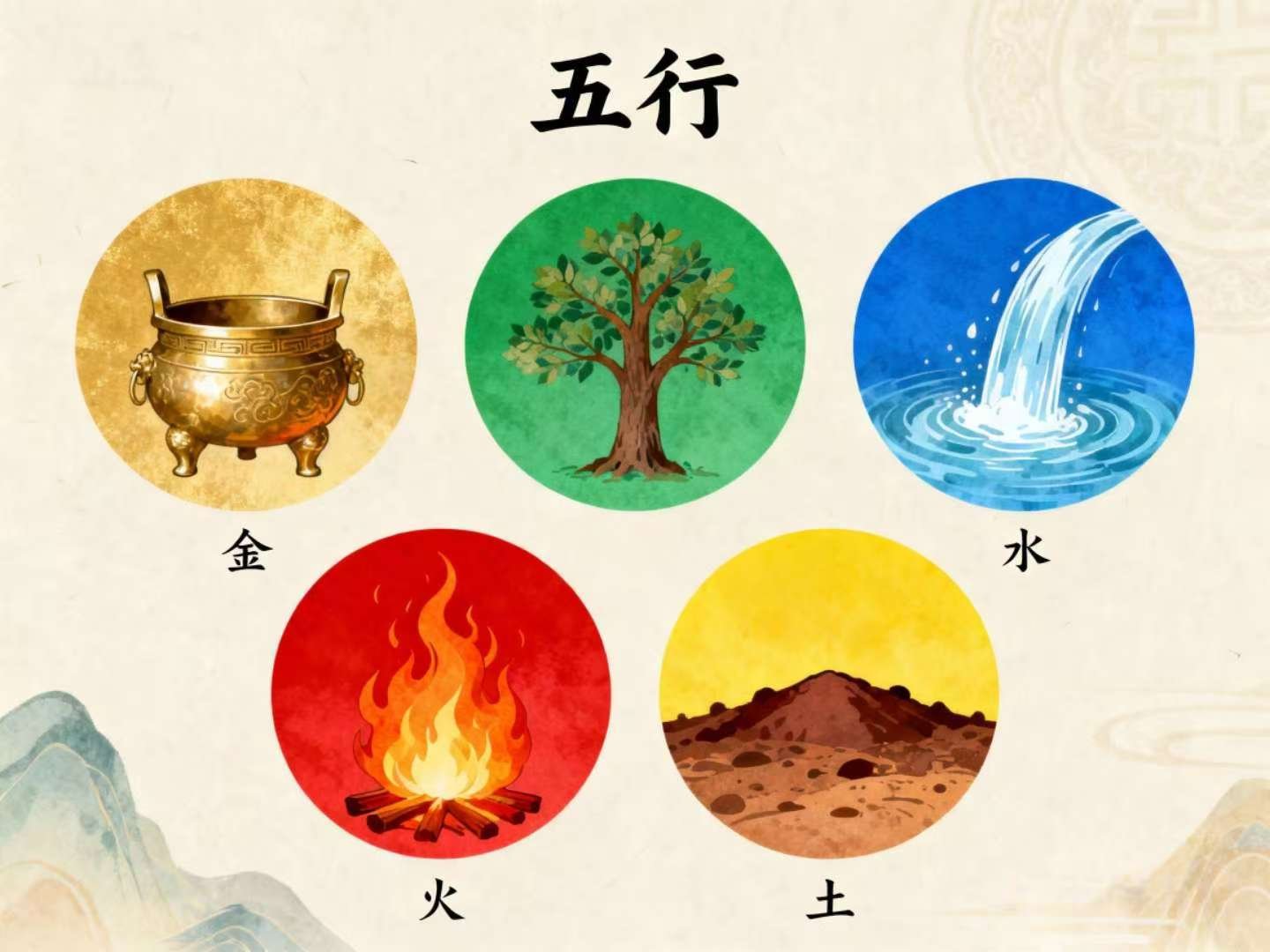
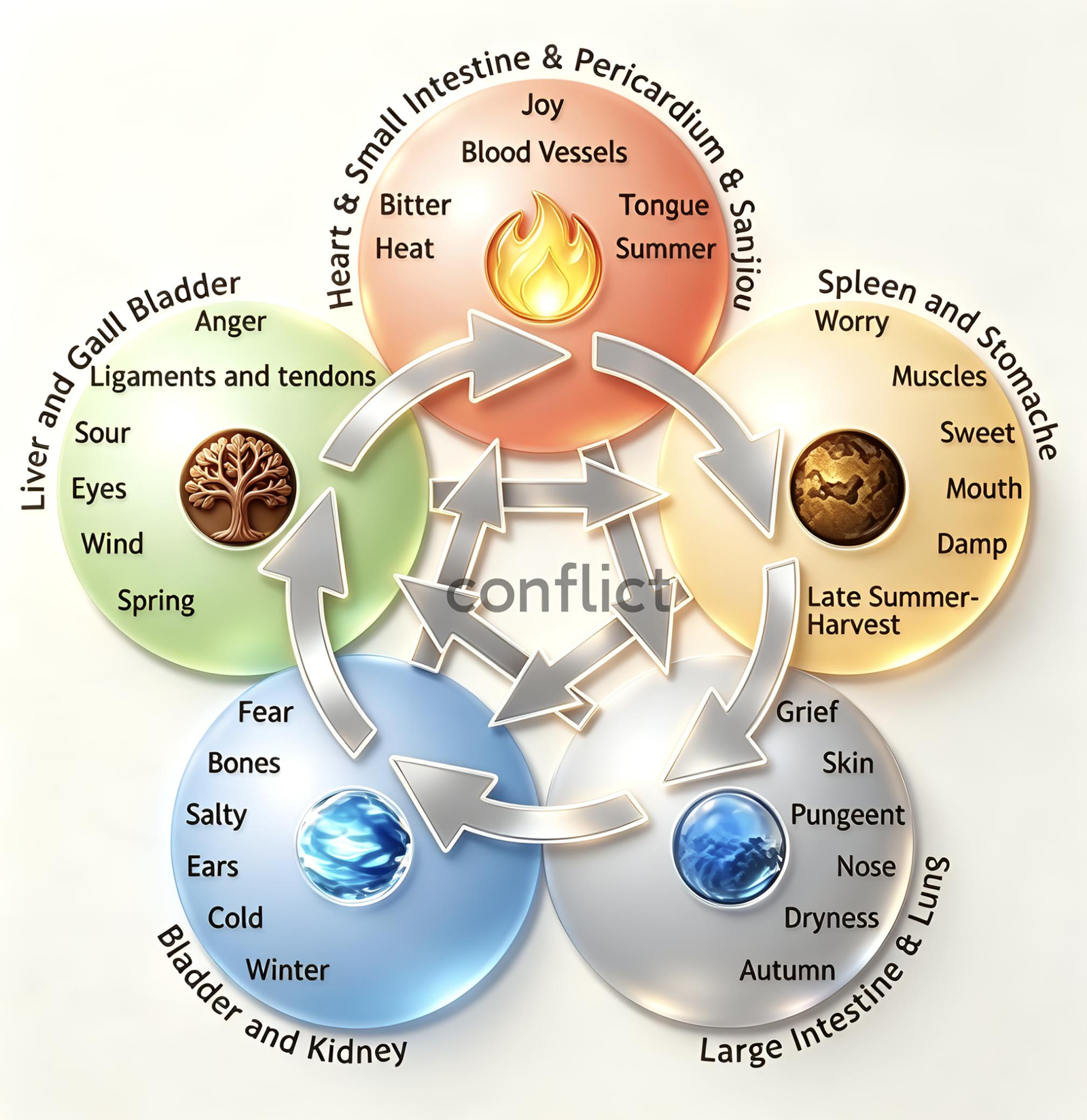
Through long-term observation of the cyclic movement of stars and seasonal changes, ancient people discovered that celestial rhythms corresponded to the growth and transformation of all things on earth. This led to the formation of the Five Elements philosophy (Metal, Wood, Water, Fire, Earth). The Five Elements are not merely five substances, but a summary of the flowing states of cosmic energy, operating under the dynamic balance of generation and restraint.
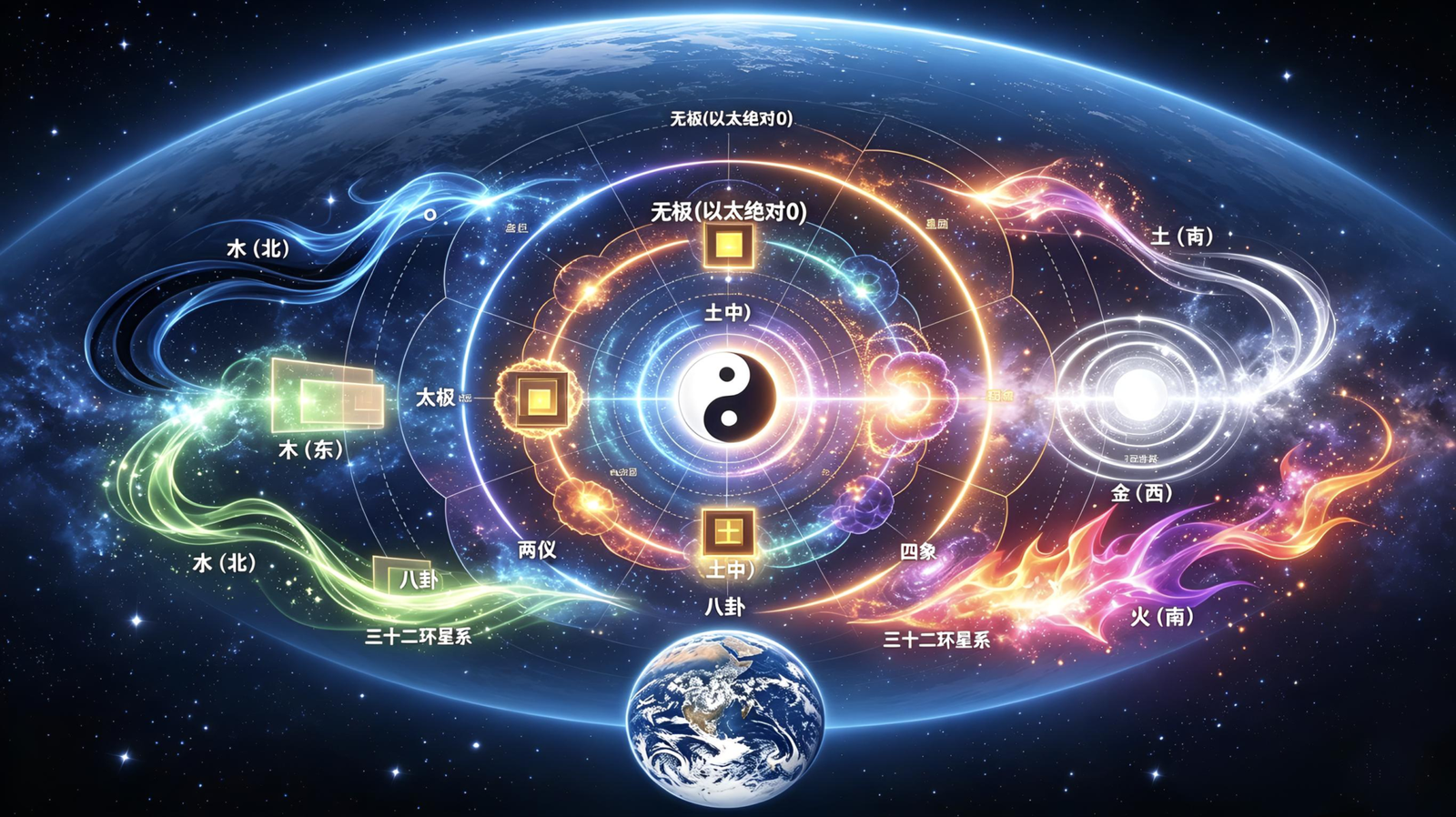
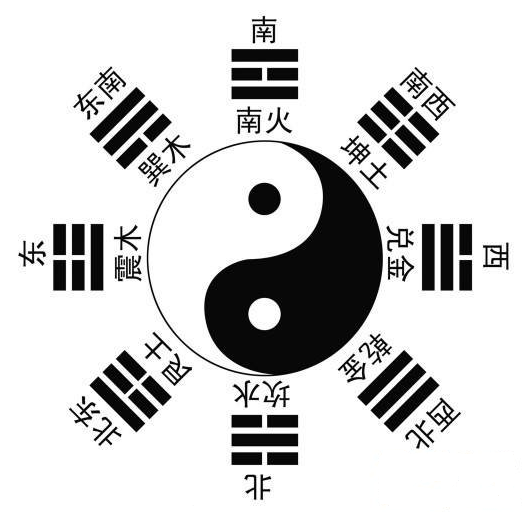
The logical sequence is clear: Origin of the universe → Yin-Yang polarity → Ancient astronomical observation of the Four Symbols and Twenty-Eight Lunar Mansions → Summary of celestial rhythms → Derivation of the operating rules of the Five Elements
Ancient Chinese astronomy was the intuitive starting point for people to understand heaven and earth, while the Five Elements became the natural philosophy summarized from celestial phenomena to explain the balanced operation of all things.
What is your five-element energy?
Five Elements Personality Test
Question 1 of 7
Which best describes you?
A
Female energy
B
Male energy
C
Undefined
Which natural environment feels most like you?
A
Spring forest, leaves swaying
B
Bright sunny day
C
Wide open fields, steady as the earth
D
Snowy mountains, calm and strong
E
Flowing river, free and flexible
How do you approach life?
A
Follow your inner growth
B
Shine your passion to others
C
Stay steady and grounded
D
Think clearly and keep boundaries
E
Go with the flow, adapt to life
Which kind of energy do you enjoy the most?
A
Growth and expansion
B
Passion and vitality
C
Stability and groundedness
D
Clarity and calmness
E
Flow and gentleness
When making decisions, what do you rely on most?
A
Inner intuition and sense of growth
B
Inner passion and drive
C
Experience and steady judgment
D
Thinking and rational analysis
E
Adaptability and flexibility
When facing challenges, which strength do you rely on most?
A
Courage to grow naturally
B
Passion and energy
C
Stability and patience
D
Calm and analytical thinking
E
Flexibility and going with the flow
If others could feel your strength, what would it be like?
A
Natural growth, full of life
B
Bright and inspiring
C
Steady and reassuring
D
Calm and clear-minded
E
Gentle and flowing
Analyzing your answers...
Metallic
Metal embodies clarity, discipline, and inner refinement.
People with Metal energy naturally seek order, purity, and quiet strength.
They thrive in simplicity and are drawn to objects that reveal precision and balance.
Wooden
Wood represents growth, creativity, and natural vitality.
Those with Wood energy value expansion, learning, and gentle resilience.
They flourish in environments filled with texture, movement, and organic forms.
Watery
Water embodies intuition, depth, and emotional intelligence.
People with Water energy move with flow and value freedom, reflection, and subtle beauty.
Fiery
Fire represents passion, inspiration, and expressive energy.
Those with Fire energy shine through warmth, charisma, and a natural desire to connect.
Earthy
Earth symbolizes grounding, stability, and quiet generosity.
People with Earth energy value comfort, harmony, and the feeling of being rooted.
Ancient Chinese astronomy is the origin of the Five Elements culture. Ancient people summarized the operating rules of Yin-Yang, the Four Symbols, and the Twenty-Eight Lunar Mansions through celestial observation, and gradually concluded the operating principles of Metal, Wood, Water, Fire, and Earth based on the natural rhythm of seasonal cycles.
No. The Five Elements system originated from long-term astronomical observations of ancient ancestors. It is a simple natural philosophy summarized from the movement of five planets, seasonal changes and the growth rules of all things.
The Five Elements are not merely five substances, but five flowing states of cosmic energy: Wood represents growth, Fire represents rising, Earth represents transformation, Metal represents convergence, and Water represents storage, corresponding to the natural cycle of all things.
Generation means mutual nourishment: Wood generates Fire, Fire generates Earth, Earth generates Metal, Metal generates Water, Water generates Wood. Restraint means dynamic balance: Wood restrains Earth, Earth restrains Water, Water restrains Fire, Fire restrains Metal, Metal restrains Wood. Together they form the balanced operating logic of all things.
Wood corresponds to the East and Spring; Fire to the South and Summer; Earth to the Center and Late Summer; Metal to the West and Autumn; Water to the North and Winter. This correspondence derives from the Four Symbols system of ancient Chinese astronomy.
The Five Elements are essentially a simple cosmological view summarized by ancient people observing nature, belonging to traditional celestial philosophy. Divination and numerology derived from it are extended applications. We should distinguish them rationally and view its ancient astronomical and philosophical value objectively.
This is the ancient Chinese cosmological view and the ideological foundation of ancient astronomy. Ancient people believed that the universe evolved from primal chaos into Yin and Yang, then gave birth to all things. Based on this cognition, they began to observe and divide celestial phenomena.
The handle of the Big Dipper changes direction regularly with the seasons. It was an important reference for ancient ancestors to identify seasons and directions, and is a landmark star formation in traditional Chinese ancient astronomy.